


- Moving Services
- Long Distance Movers
Nationwide relocation, coast-to-coast
- Local Movers
Stress-free local moving services
- Snapmoves℠ by United
Customized, seamless moving option
- International Movers
Global relocation services
- Car Shipping Services
Reliable door-to-door auto transport
- Military Movers
Proudly moving military families
- Packing & More
- Full Service Packages
Complete move management
- Packing & Unpacking
Time-saving packing & unpacking services
- Storage
Flexible short or long-term storage
- Moving Protection
Coverage for peace of mind
- Resources
- Blog
Expert moving tips, insights & advice
- Moving Checklists
Complete planning tools for your move
- Moving & Packing Videos
Visual guies for a smooth move
- Moving Quotes
Understanding your online moving quotes
- Shipment Tracking
Track your shipment progress at any time
- Submit a Claim
Submit your claim online
- Corporate Services


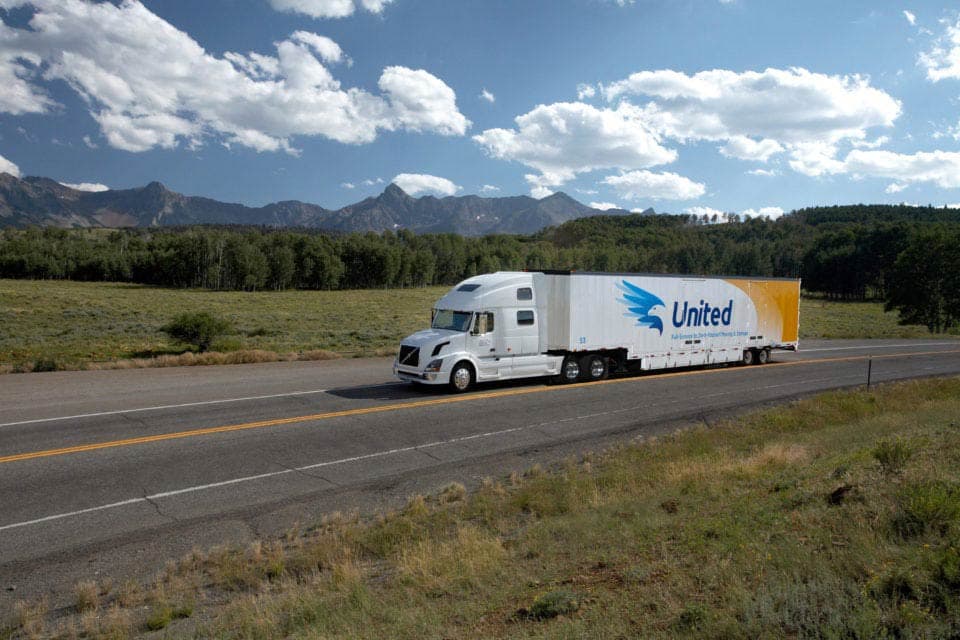


Understanding Your Long-Distance Moving Costs: A Comprehensive Guide
Get A QuoteTable of Contents

Moving across state lines is a different experience than relocating across town. The logistics are more complex, the timeline is longer and the pricing reflects a wider range of variables. That’s why understanding what goes into your estimate is so important — it helps you plan with confidence and avoid surprises along the way.
United Van Lines has helped millions of families and individuals navigate long-distance moves. This guide breaks down the factors that shape your moving costs so you can make informed decisions and feel good about the journey ahead.
Primary Factors That Impact Your Moving Estimate
Every long-distance move starts with a few foundational variables. The distance between your origin and destination establishes the baseline — the farther you’re going, the more fuel, time and coordination are required. Fuel surcharges may also apply depending on current market conditions.
Weight is another major factor. The Federal Motor Carrier Safety Administration (FMCSA) requires that interstate moves be priced based on the actual weight of your shipment, which is determined by weighing the truck before and after loading. The heavier your shipment, the higher the cost.
Labor plays a role, too. Loading, transporting and unloading your belongings requires skilled crews, and the Department of Transportation’s (DOT) hours-of-service regulations govern how long drivers can be on the road each day. For longer distances, this can affect transit times and crew scheduling.
Accessorial and Logistical Services
Accessorial charges cover services beyond standard loading, transport and delivery. They’re applied when your move involves logistical challenges that require extra time, equipment or personnel.
For example, if the moving truck can’t access your street due to narrow roads or low-hanging trees, a smaller shuttle vehicle may be needed to transport your belongings between your home and the main truck.
Stairs and elevators add time and complexity to a move, so these may be factored in as well. Specialty items — think pianos, fine art or safes — require additional handling expertise and equipment, which is reflected in the estimate.
Packing Services and Materials
You have options when it comes to packing. Full-service packing means our team handles everything, from wrapping dishes to boxing up your closets. It’s the most convenient choice and ensures items are packed with the right materials and techniques for long-distance transit.
Partial packing lets you handle most of the work yourself while leaving fragile or complex items to the professionals. Even if you’re packing on your own, investing in high-grade materials — sturdy boxes, packing paper and protective wrap — makes a real difference over hundreds of miles.
Professional packing also reduces the risk of damage during transit, which can save you time, stress and money in the long run.
Timing, Seasonality and Protection
When you move matters. The period between Memorial Day and Labor Day is considered peak season in the moving industry, and pricing during these months is typically 15–30% higher due to increased demand. If your schedule allows flexibility, moving mid-month or mid-week can help you secure more economical rates.
You’ll also want to consider how your belongings are protected in transit. Interstate movers are required to offer two levels of valuation coverage:
- Released-Value Protection is included at no additional charge and covers your items at 60 cents per pound per article. For a 50-pound TV worth $1,000, that means coverage of just $30.
- Full-Value Protection (FVP) is a more comprehensive option. Under FVP, your mover is responsible for repairing, replacing or providing a cash settlement for items that are lost or damaged during the move. This adds a premium to your estimate but offers significantly more peace of mind.
Storage and Delivery Variables
If there’s a gap between your move-out and move-in dates, Storage-in-Transit (SIT) lets your mover hold your shipment in a warehouse until you’re ready for delivery. Fees typically include warehouse handling and may vary depending on whether climate-controlled storage is needed.
Your delivery method also affects cost. Consolidated transport shares truck space with other shipments, making it more budget-friendly — though delivery dates are less predictable. Exclusive use means the truck carries only your belongings, offering guaranteed dates at a higher price point.
Understanding Your Moving Estimate
A binding estimate gives you financial certainty. It guarantees the maximum amount you’ll pay based on the items and services listed, so there are no surprises at delivery. United Van Lines offers virtual home surveys, which allow our team to assess your inventory accurately through a video walkthrough — no need to schedule an in-person visit.
Here’s a quick overview of the factors that shape your estimate:
| Factor | Description | Impact on Cost |
|---|---|---|
| Distance | Mileage between origin and destination | Directly proportional to mileage |
| Shipment Weight | Total weight of belongings (FMCSA regulated) | Higher weight leads to higher costs |
| Labor Needs | Personnel for loading, transport and unloading | Influenced by complexity and DOT regulations |
| Packing Services | Full, partial or self-packing options | Full-service adds labor and material costs |
| Accessorial Services | Shuttles, extra stops, or crating for specialty items | Each service adds a specific charge |
| Timing/Seasonality | Peak season (summer) vs. off-peak | Summer moves are typically 15–30% higher |
| Valuation Coverage | Protection level (Released-Value vs. Full-Value) | Full-Value Protection adds a premium for peace of mind |
Frequently Asked Questions About Long-Distance Moving Estimates
How is the cost of a long-distance move calculated?
Long-distance moves are priced based on a combination of factors: the distance between your origin and destination, the weight of your shipment, the services you need and the time of year. Your mover will assess your belongings — either through a physical or virtual survey — and provide a written estimate that accounts for all of these variables. The FMCSA requires that movers provide written estimates for every interstate shipment.
What is the difference between a binding and non-binding estimate?
A binding estimate guarantees the total cost of your move based on the items and services listed. You won’t pay more than that amount at delivery. A non-binding estimate is an approximation — your final charges will be based on the actual weight of your shipment and services provided. Under a non-binding estimate, you can’t be required to pay more than 110% of the estimate at delivery, with any remaining balance billed afterward. United only offers non-binding estimates.
Why are moves more expensive during the summer months?
The period between Memorial Day and Labor Day is peak moving season. Demand for trucks, crews and scheduling is at its highest, which drives prices up — typically by 15–30%. If you have flexibility in your timeline, moving during the fall, winter or early spring can result in lower rates and more scheduling options.
What is Full-Value Protection and is it worth it?
Full-Value Protection (FVP) is the most comprehensive valuation option for your shipment. Under FVP, if an item is lost or damaged during your move, your mover will either repair it, replace it with a similar item or provide a cash settlement. The alternative — Released-Value Protection — covers items at only 60 cents per pound per article, which rarely reflects actual value. For most households, FVP offers meaningful peace of mind.
What are accessorial charges in a moving quote?
Accessorial charges cover services beyond basic loading, transport and delivery. Common examples include shuttle service (when a full-size truck can’t reach your home), or handling of specialty items like pianos or artwork. These charges are itemized in your estimate so you know exactly what you’re paying for.
Plan Your Long-Distance Move with America’s #1 Mover®
A long-distance move has a lot of moving pieces — and you don’t have to manage them alone. United Van Lines’ dedicated Move Coordinators guide you through every step, from your initial estimate to delivery day. Our virtual home surveys make it easy to get an accurate quote without disrupting your schedule, and our full-service options let you hand off as much (or as little) as you’d like.
The MyUnited Move Portal keeps everything organized in one place — your estimate, your timeline, your inventory and your expenses — so nothing falls through the cracks.
Ready to get started? Request a free, no-obligation quote and take the first step toward your next chapter.
Categories
Share
Related Articles

A Comprehensive Guide to Moving With Pets During Multi-Day Relocations

Cross-Country Moving Routes: What to Expect for Your Next Relocation

Moving Across Time Zones: How to Plan for a Seamless Transition

Navigating Seasonal Moving Prices: The Cheapest Time to Move
Move with America's #1 Mover®
Recent City Guides
View All
Top Cities: Where Americans Moved in 2025
In 2025, Americans continued to move. However, they did so with sharper intent. Read how Americans are on the move per the United Van Lines 49th Annual National Movers Study.

Moving to New Orleans, LA: Your Complete Relocation Guide
Thinking about moving to New Orleans, LA? Known for its culture, food and music, the city also offers quite an affordable cost of living and a diverse job market — making it a vibrant place to call home.

Pros and Cons of Moving to Shreveport, Louisiana
Considering a move to Shreveport, Louisiana? This guide breaks down real benefits and drawbacks, including lifestyle, cost of living, job market and culture. Get the facts before making your move!

Pros and Cons of Moving to Baton Rouge
Find out if moving to Baton Rouge is for you. Discover the positives and negatives of living here, from the economy to culture, and decide for yourself.
Ready to Get Moving?
Choose United Van Lines — America’s #1 Mover®