


- Moving Services
- Long Distance Movers
Nationwide relocation, coast-to-coast
- Local Movers
Stress-free local moving services
- Snapmoves℠ by United
Customized, seamless moving option
- International Movers
Global relocation services
- Car Shipping Services
Reliable door-to-door auto transport
- Military Movers
Proudly moving military families
- Packing & More
- Full Service Packages
Complete move management
- Packing & Unpacking
Time-saving packing & unpacking services
- Storage
Flexible short or long-term storage
- Moving Protection
Coverage for peace of mind
- Resources
- Blog
Expert moving tips, insights & advice
- Moving Checklists
Complete planning tools for your move
- Moving & Packing Videos
Visual guies for a smooth move
- Moving Quotes
Understanding your online moving quotes
- Shipment Tracking
Track your shipment progress at any time
- Submit a Claim
Submit your claim online
- Corporate Services




A Comprehensive Guide to Moving With Pets During Multi-Day Relocations
Get A QuoteTable of Contents

Moving long-distance takes planning. When a pet is coming with you, their journey to your new home deserves careful attention, too.
Hours in the car and unfamiliar overnight stops can disrupt your pet’s normal routine. A little preparation before you leave can make the drive safer and more comfortable for the both of you.
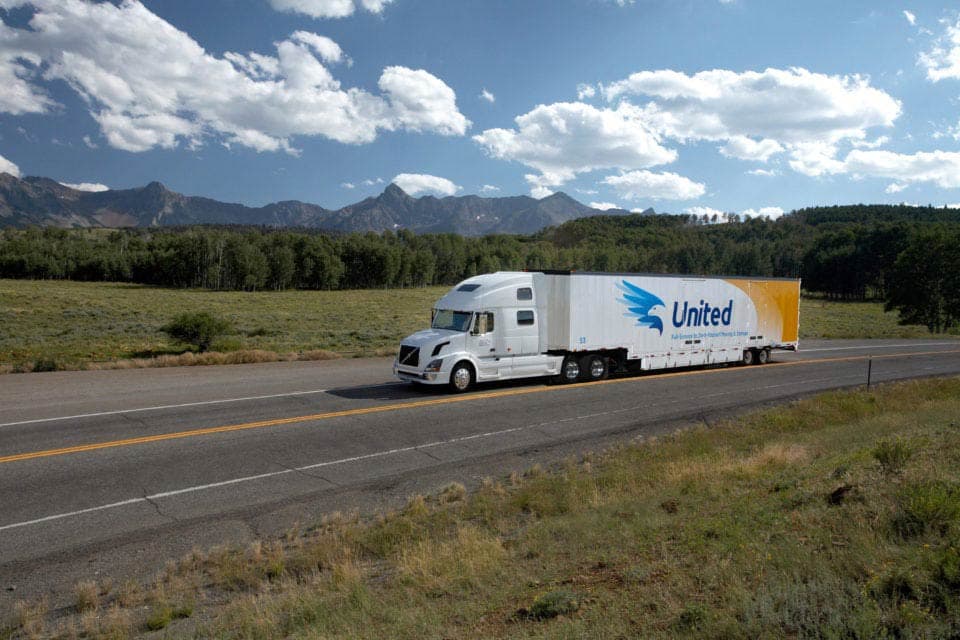
United Van Lines has almost a century of experience helping people manage long-distance moves. While United transports your household belongings, you’ll need to make separate arrangements for your pet. Pets cannot travel in the moving truck, so they typically ride with their owners or travel through a qualified pet transportation provider.
If you’re moving with pets, use this guide to prepare for the drive, plan overnight stays and anticipate what your pet may need along the way.
Pre-Trip Preparations and Logistics
Start preparing your pet before moving day arrives. If your pet hasn’t had a recent veterinary exam, schedule one and let your veterinarian know you’re planning a long-distance trip. This gives you an opportunity to address health concerns, refill prescriptions and ask about anything that could affect your pet during travel.
You may also need a certificate of veterinary inspection, or CVI, depending on your destination and type of pet. Interstate requirements vary and can change, so check the rules for the state you’re entering before you leave. Your veterinarian can help you determine which documents apply to your pet.
Review identification at the same time. Make sure your pet’s ID tag has a current phone number and update the contact information connected to their microchip. Keep a recent photo and important veterinary records somewhere you can reach easily during the trip.
If car travel is unfamiliar, give your pet a chance to practice. Start with shorter drives using the carrier, crate or restraint you plan to use during the move. These outings can help you gauge how your pet responds before you spend a full day on the road.
Finally, pack a pet travel bag and keep it with you. Bring enough of your pet’s regular food for the trip plus a little extra for delays. Add medications, water and anything else your pet relies on for comfort. Keep those essentials in your vehicle rather than packing them with your household shipment.
In-Vehicle Safety and Containment
A calm pet can still become a distraction or be injured during sudden braking, so secure your pet whenever the vehicle is moving.
Choose a carrier, crate or vehicle restraint suited to your pet’s size and species. Look for products designed specifically for vehicle travel. If you use a safety harness, follow the manufacturer’s instructions for securing it. Cats will generally be safer traveling inside a properly secured carrier.
Keep pets out of the front seat because an air bag can cause serious injury. An open window presents risks, too. Letting a dog ride with their head outside can expose them to flying debris and other hazards.
Pay attention to the temperature inside the vehicle throughout the day. Maintain comfortable airflow and limit prolonged direct sun exposure. Most important, never leave a pet unattended in a parked car. Conditions inside a vehicle can become dangerous quickly, even when the temperature outside seems comfortable.
On-the-Road Protocols and Routine
Travel changes what your pet’s day usually looks like, so familiar routines can provide some consistency along the way.
Many dogs benefit from a break every two to three hours for water, movement and a bathroom stop. Treat that as general guidance rather than a fixed schedule. Age and health can change how often your pet needs a break; ask your veterinarian if you’re unsure what schedule makes sense.
Take extra care at rest areas. Secure your dog’s leash before opening the vehicle door and keep cats contained in their carriers. Unfamiliar surroundings and passing vehicles can make these stops unpredictable.
Keep feeding times reasonably close to your pet’s normal schedule. If your pet has experienced motion sickness before, talk with your veterinarian about how to approach meals during the drive. Offer water regularly and watch for changes in behavior that could signal discomfort or stress.
Safety Protocols to Follow
A few consistent habits can make a long day of driving easier for your pet. Before you leave, think through how your pet will ride safely and what you’ll need to keep them comfortable throughout the trip.
| Transport Category | Safety Initiatives |
|---|---|
| In-Transit Restraint | Use a secured carrier, crate or appropriate vehicle harness. Keep pets out of the front seat and do not allow them to roam freely while the vehicle is moving. |
| Climate Regulation | Maintain comfortable airflow and limit prolonged direct sun exposure. Never leave a pet unattended in a parked vehicle. |
| Environmental Control | Bring familiar bedding or a favorite comfort item. If your pet experiences significant travel anxiety, ask your veterinarian whether other calming strategies are appropriate. |
| Health Maintenance | Offer water regularly and keep meals close to your pet’s usual routine when practical. Ask your veterinarian about adjustments if your pet is prone to motion sickness. |
Accommodation and Routing
After a full day on the road, you don’t want to discover that the hotel you chose can’t accommodate your pet. Book pet-friendly lodging before your move whenever possible.
Read the property’s current pet policy and consider calling to confirm the details. Hotels may have restrictions based on an animal’s size, type or breed, and additional fees may apply.
Once you reach your room, take a moment to check the space before letting your pet explore. Look for anything they could chew or ingest and identify a secure place for food, water and your carrier.
Policies about leaving animals alone in rooms also vary. Plan your stops so your pet can stay with you as much as possible, particularly if an unfamiliar environment is likely to cause stress.
Emergency Preparedness
Planning for the unexpected can give you one less potential problem to solve on the road.
Before leaving, identify emergency veterinary hospitals along your route and near your planned overnight stops. Save the contact information so you can find it quickly if you need help.
Keep a basic pet first aid kit in the vehicle. Supplies for minor wound care and disposable gloves can be useful, along with anything your veterinarian recommends for your pet. Prescription medications should stay with you throughout the trip rather than being packed with your household shipment.
If your pet has a history of nausea or significant travel anxiety, bring it up with your veterinarian before you leave. They can determine whether medication is appropriate and explain how to use it safely. Avoid giving your pet a new medication or sedative without veterinary guidance.
Species-Specific Considerations
Cats often feel more secure inside a carrier while traveling. For some cats, partially covering the carrier can limit visual stimulation and make for a more comfortable trip as long as ventilation remains adequate. Bring a portable litter box and familiar litter for overnight stops.
Small mammals and exotic pets may be especially sensitive to temperature changes. Position their enclosures away from direct sunlight and strong air-conditioning vents. Protect them from sudden drafts as you move between the vehicle and your accommodations.
Birds, reptiles and other animals may have more specialized needs during a long drive. If you’re moving with an exotic pet, talk with a veterinarian familiar with the species before departure so you can plan for its specific environmental and travel needs.
Frequently Asked Questions About Moving With Pets
What Should I Include in a Pet Travel “Go-Bag”?
Keep anything your pet will need during the drive with you instead of packing it with your household shipment. Bring enough of their usual food for the trip plus extra in case your schedule changes. Pack medications, water and any supplies you’ll need for cleanup or bathroom breaks. You’ll also want your pet’s veterinary records, identification information and a recent photo readily available. A familiar blanket or favorite toy can provide comfort when the surroundings change. The goal is simple: Keep any items you may need on the road somewhere you can reach without unpacking the car.
How Often Should I Stop for My Pet During a Long-Distance Drive?
Many dogs benefit from a stop roughly every two to three hours so they can drink, move around and relieve themselves. Your pet may need a different schedule depending on age, health and normal habits. Puppies and senior dogs, for example, may need more frequent breaks. Cats and some other animals may be safer and more comfortable staying securely contained until you reach your overnight destination. Before a multi-day trip, ask your veterinarian whether your pet has any needs that may affect your driving or break schedule.
Is It Safe to Leave My Pet in the Car During a Moving Break?
o. Avoid leaving your pet unattended in a parked vehicle. Interior temperatures can change quickly and cracking the windows does not make the car reliably safe. Plan rest and meal stops with your pet in mind. If you’re traveling with another person, one of you can stay with your pet while the other takes a break. Solo travelers may want to choose stops where their pet can safely accompany them. Thinking through those details before moving day makes it easier to keep everyone safe once you’re on the road.
How Can I Find Pet-Friendly Lodging for a Multi-Day Move?
Map out your overnight stops before you begin the drive and search for pet-friendly lodging in those areas. Before booking, read the hotel’s current pet policy or call the property directly. Restrictions and fees vary. Some hotels limit the number or size of animals they accept, while others have rules about where pets are allowed on the property. Ask whether pets may be left alone in the room and whether there is a designated relief area nearby. Reserving accommodations ahead of time can save you from searching for a suitable room after a long day of driving.
Does My Pet Need a Health Certificate to Cross State Lines?
Possibly. Requirements vary based on your destination and the animal you’re bringing with you. Some states require a certificate of veterinary inspection, proof of vaccination or other documentation when certain animals cross state lines. Because those rules can change, check the current requirements for your destination as you plan your move. Your veterinarian can help you understand what documentation may apply and complete any required examination. Keep copies of relevant records with you while traveling so you can access them without having to find a packed box or wait for your household shipment.
Start Planning Your Next Long-Distance Move with America’s No. 1 Mover®
Moving with pets gives you enough to think about when planning the drive. United Van Lines can take more of the household move off your plate, with customizable services that include professional packing and storage.
Your United representative can help build a moving plan around your needs and provide a detailed quote so you understand the services and costs before moving day. That leaves you with more time to prepare your pet for the journey and settle everyone comfortably into your new home.
Ready to plan your long-distance move? Request a moving estimate from United today.
Categories
Share
Related Articles

Understanding Your Long-Distance Moving Costs: A Comprehensive Guide

Cross-Country Moving Routes: What to Expect for Your Next Relocation

Moving Across Time Zones: How to Plan for a Seamless Transition

Navigating Seasonal Moving Prices: The Cheapest Time to Move
Move with America's #1 Mover®
Recent City Guides
View All
Top Cities: Where Americans Moved in 2025
In 2025, Americans continued to move. However, they did so with sharper intent. Read how Americans are on the move per the United Van Lines 49th Annual National Movers Study.

Moving to New Orleans, LA: Your Complete Relocation Guide
Thinking about moving to New Orleans, LA? Known for its culture, food and music, the city also offers quite an affordable cost of living and a diverse job market — making it a vibrant place to call home.

Pros and Cons of Moving to Shreveport, Louisiana
Considering a move to Shreveport, Louisiana? This guide breaks down real benefits and drawbacks, including lifestyle, cost of living, job market and culture. Get the facts before making your move!

Pros and Cons of Moving to Baton Rouge
Find out if moving to Baton Rouge is for you. Discover the positives and negatives of living here, from the economy to culture, and decide for yourself.
Ready to Get Moving?
Choose United Van Lines — America’s #1 Mover®